

HOT TAKES VOL. 003
Dreaming of a world beyond Ticketmaster, 67, and trend-hopping.

With the shifting of time comes an influx of new opinions. We’ve got a fresh batch of Strat Brat Hot Takes: a monthly series where personal perspective meets cultural critique—backed by receipts, research, and unapologetic conviction.
Have a read, don’t be afraid to disagree—or agree. We’re putting these takes out to spark conversation and encourage thoughts detached from the hive mind. For our last hot takes of 2025, we wanted to get especially spicy…and invite you to match our energy!
1. THERE WILL BE NO MORE NOSTALGIA
Miles’ Hot Take
Speaking little even of the fact that culture today profits largely off of derivative ideas, we live in a society that immediately consumes itself, making meme, camp, and simulacrum of everything sacred past and not-so-sacred present. Cultural happenings are dwarfed by blitzes of commentary and coinage instead of allowing the life cycle of an idea to evolve naturally/without preconception (everything is instantly a “core”, a classic work, or reappropriated). Because there is such little time for phenomena to age and so much energy spent immediately spinning off these phenomena, when looking back at contemporary culture in 10 years we will be devoid of the sort of fondness that nostalgia typically brings.
“With the collapse of distance, no meaningful aesthetic, language, moment or movement can mature and stabilize. Immediate coinage, brand participation, monetization and outrage is always imminent.”
With cultural outputs today, just like a work of art or a hand in front of your face, you need time and distance between you and it in order to best understand it and more importantly, feel nostalgic towards it.
2. THE LOUVRE HEIST IS THE FIRST OF MANY ANALOG WINS
Melissa’s Hot Take
The viral obsession with the Louvre heist wasn’t really about stolen jewels or cinematic spectacle. It was about something much quieter and much more telling: a human beating a system that was supposed to be unbeatable.
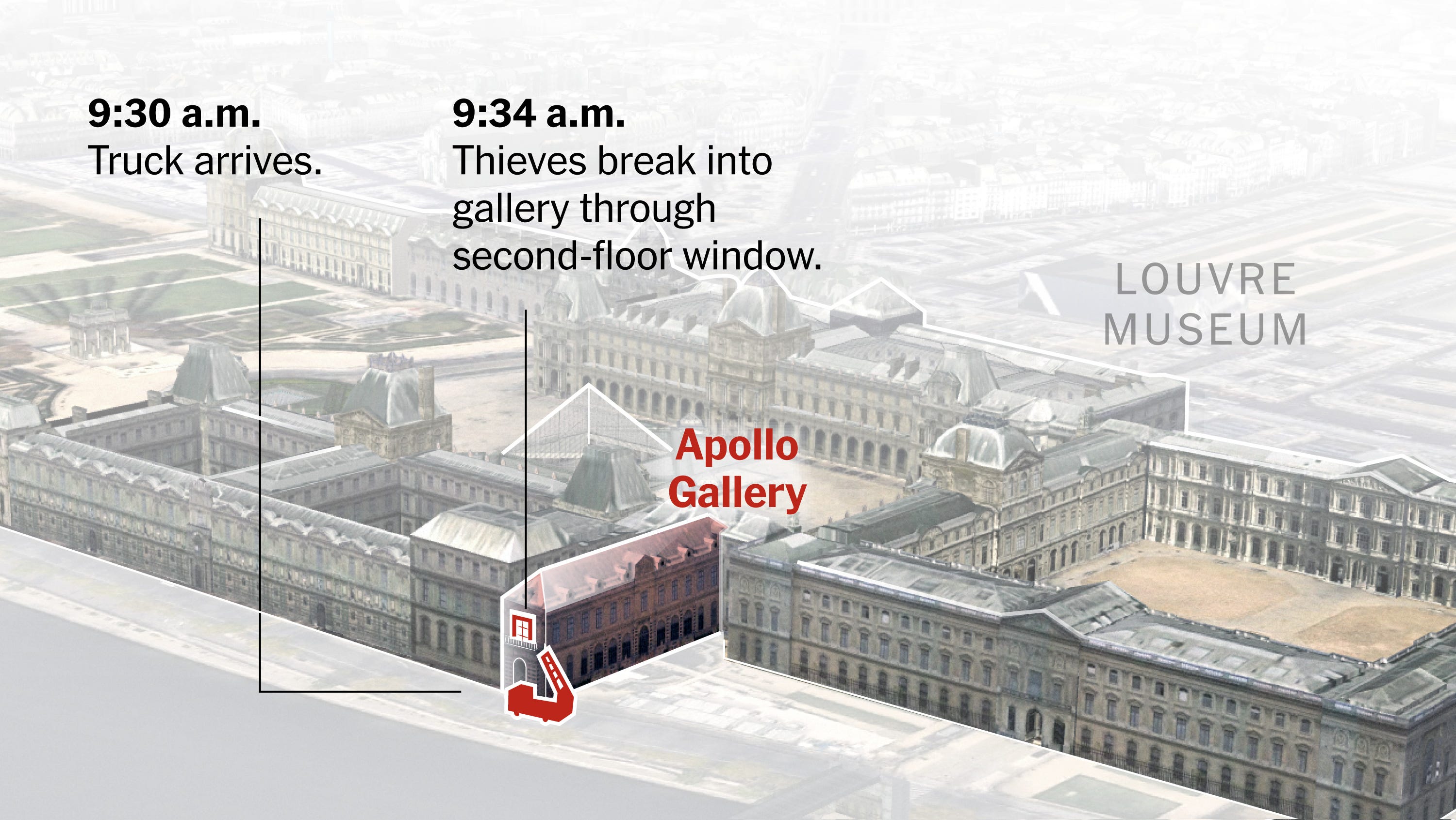
In an era where AI feels inevitable and surveillance feels inescapable, moments like this land differently. We’re surrounded by technology designed to predict us, monitor us, and stay one step ahead. Algorithms tell us what to watch, where to go, and increasingly, how to behave. So, uncomfortable as it is to admit, watching someone slip through the cracks of that infrastructure feels better than watching the system work.
The Louvre heist offered proof that human ingenuity still matters. Not in a grand, world-changing way, but in a small, almost defiant one. It’s a reminder that intuition and unpredictability can still outmaneuver machinery built on logic and control. That’s the real allure. Not the art, but the breach. Outsmarting technology may not change the future. But right now, it’s one of the few things that still makes us feel human.
3. THE INTERNET IS SHRINKING OUR LANGUAGE
Chelsea’s Hot Take
From “67” to “Ragebating” becoming the words of 2025, are we building vocab or slowly losing our language?
Slang evolves fast, and usually that’s part of the fun—but the internet has transformed this evolution. Words continue to get flattened into acronyms, reactions compressed into emojis, and whole experiences get summed up with “mood,” “vibe,” or “I can’t.” We have traded typing efficiency and quickened communication for a cost. Reducing feelings to the same handful of phrases, and nuance starts slipping through the cracks. We lose the ability to comprehend and experience life as we dissociate from the weight of words.
Internet lingo is seeping so deeply into real life that it’s blurring meaning, dulling emotion, and quietly censoring how we share what’s real. We trade clarity for convenience, vulnerability for vibes. And at some point, the language meant to help us connect starts numbing the very things we’re trying to express – speaking faster than ever while saying less and less.
Chat, are we cooked?
4. IT’S TIME TO END THE TICKETMASTER WAR
Sophia’s Hot Take
We survived without Ticketmaster before, and we can absolutely do it again. When you’re 150,000th in line for a 20,000-seat venue and staring at nosebleeds priced like front-row seats, it becomes painfully clear that the system isn’t built to sell tickets, it’s built to squeeze fans. Dynamic pricing, endless fees, and impossible queues aren’t signs of a healthy marketplace; they’re symptoms of a monopoly that’s been allowed to grow unchecked. Fans shouldn’t need luck, bots, or a credit card with no limit just to experience the artists they love.
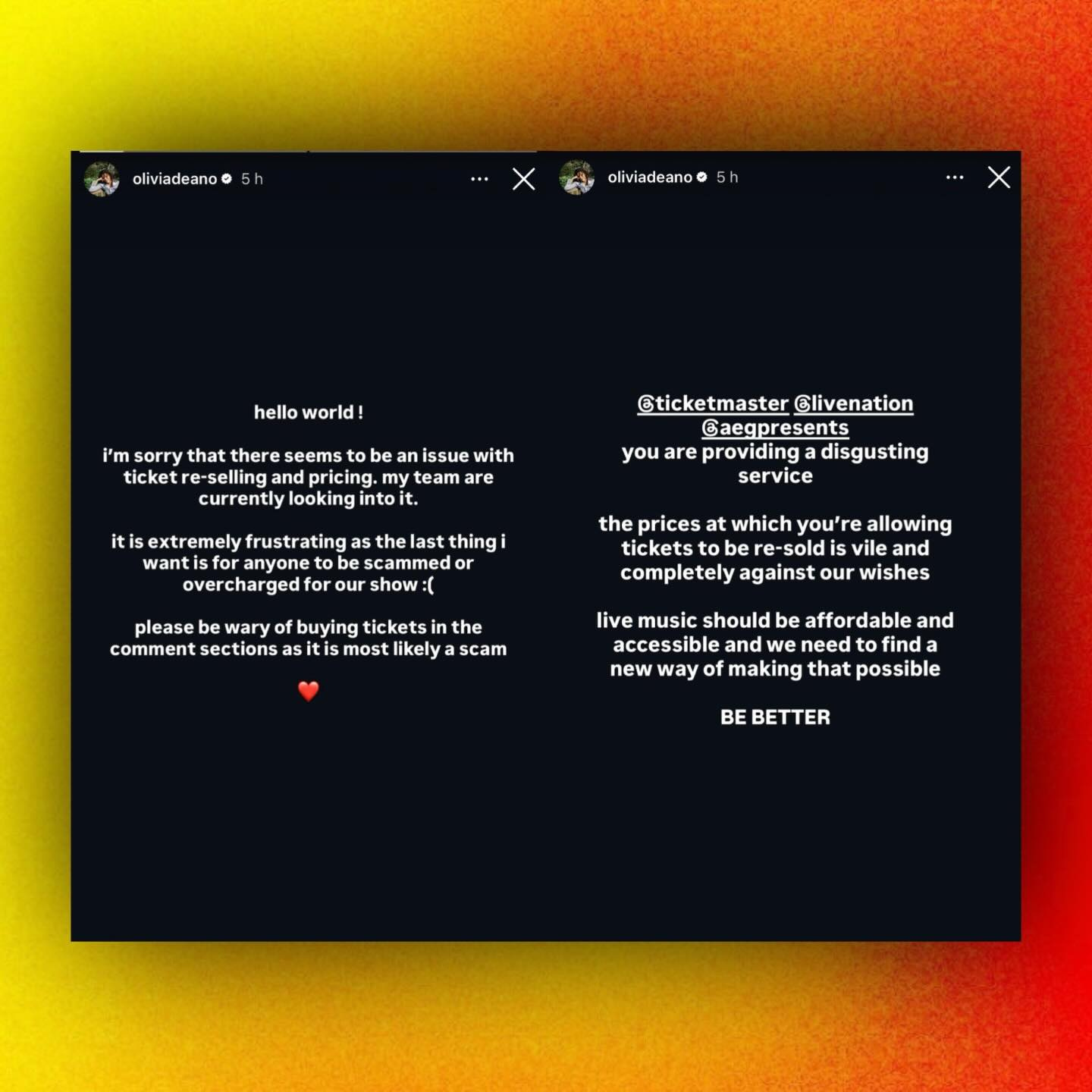
Maybe it’s time to stop treating this one company as an unavoidable gatekeeper and start reimagining what a fair, fan-centered ticket ecosystem could look like. Smaller platforms, venue-direct sales, transparent pricing, and limits on resellers could rebuild trust and put the focus back where it belongs: on the live music experience. If concerts are meant to bring people together, the journey shouldn’t begin with a battle you’re designed to lose. Live music deserves a system that supports community, not one that profits off frustration.
5. NOT EVERY VIRAL MOMENT NEEDS YOU TO COMMENT
Daniel’s Hot Take
Viral videos have become the internet’s great unifier—quick flashes of authentic chaos that somehow feel both outlandish and deeply relatable. They spread because they capture something real, something unpolished. These moments turn into shared cultural touchpoints people connect over naturally, no strategy deck required.
But once the comment section starts spiraling, the vibe shifts. It becomes this wild thread of jokes, theories, and storytelling—and that’s when brands usually parachute in. They spot the high-visibility and rush to earn forced attention, dropping microwaved one-liners just to hit engagement KPIs. Instead of adding to the fun, the corporate cameo often pulls the spotlight away from what made the clip special in the first place. The whole thing starts to feel less like the internet and more like a marketing sandbox.
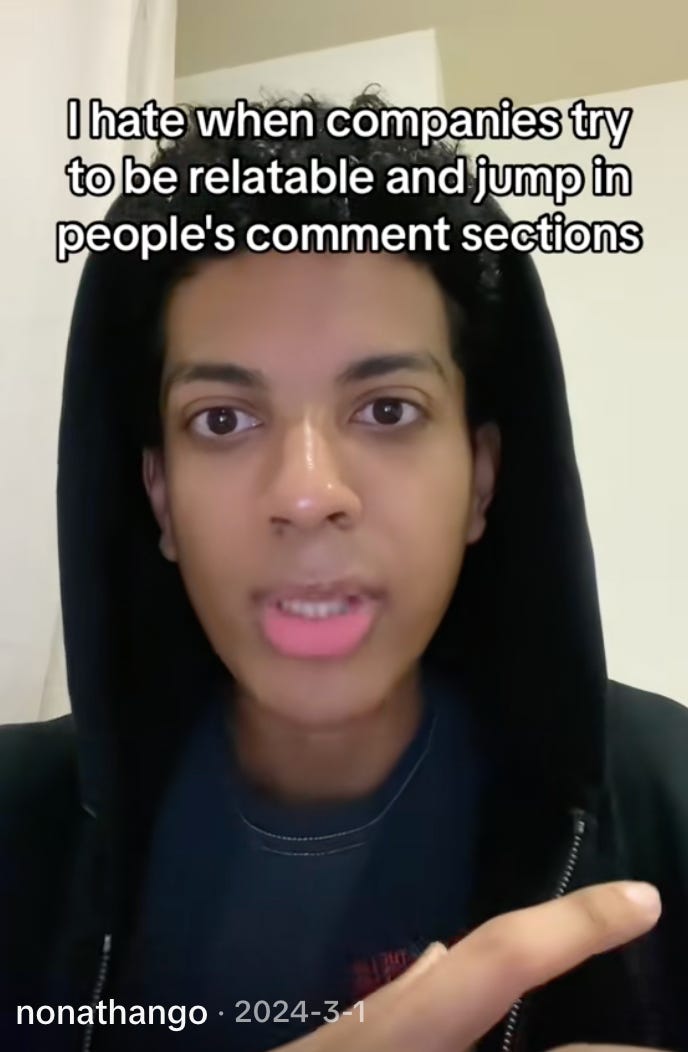
This tendency exposes a deeper issue: brands somehow have endless time to comment on a goofy video but go quiet when it comes to the social or political realities their audiences actually care about. It’s a strategy that ultimately works against building a brand identity and true connection to consumers. Instead brands should focus on joining conversations that genuinely align with who they are—and creating spaces where consumers can expand on ideas that are relevant, resonant, and real. Brands can jump into viral comments sections all they want but at the very least make sure the content aligns with your values or service. In other words: not every viral moment needs a corporate punchline.
6. BRANDS NEED TO STOP TRADING IDENTITY FOR RELEVANCE
Shani’s Hot Take
In recent years, more and more brands are happily trading identity for relevance—choosing to embody trends they think will help them connect with new audiences even when those trends don’t align with who they truly are. Instead of investing time in defining and refining their core identity, many brands are just constantly chasing what’s new and shiny.
This past year, the flood of pickleball/tennis club/country club aesthetics is a good example of that: seen everywhere, yet rarely meaningful to a point that a consumer would even remember which brand is who. The result is branding that feels inauthentic, confusing and visually noisy, offering little value beyond letting consumers know they’re aware of what’s “cool” right now — and they’re not falling for it. 33% of consumers believe it’s embarrassing when brands chase trends and a notable amount only believe any particular trend is only relevant for a brand to step in within 24-48 hours of the trend’s lifespan. If short-term gains aren’t building long-term love and resonance, then what are we doing?
On the flip side, Ralph Lauren’s Oak Bluffs campaign broke through the noise by sparking real conversation—proving that a brand can engage culture without abandoning its core by tapping into relevance through its own unique lens. The takeaway: brand relevance isn’t built through trend-chasing, but through a deep understanding of identity, expressed with clarity and intention.
Couldn't agree more with #s 1, 3, and 4!! I really enjoyed reading this! Can't wait for the next one!