HOT TAKES VOL. 005
This week, it's all about brain rot, getting drunk on productivity, and GOAT talk.

Thaw out of your winter freeze with some 🔥🔥🔥 takes for the week. Welcome back to another round of Strat Brat Hot Takes: a monthly series where personal perspective meets cultural critique—backed by receipts, research, and unapologetic conviction.
We know y’all have some opinions on these takes, too. We want to hear ‘em. Take a read down below and let us know if you’re on board with these hot takes or if we need to do some soul searching.
1. CALL IT BRAIN ROT, BUT IT WORKS
Chelsea’s Take
The internet runs on nonsense that somehow makes perfect sense.
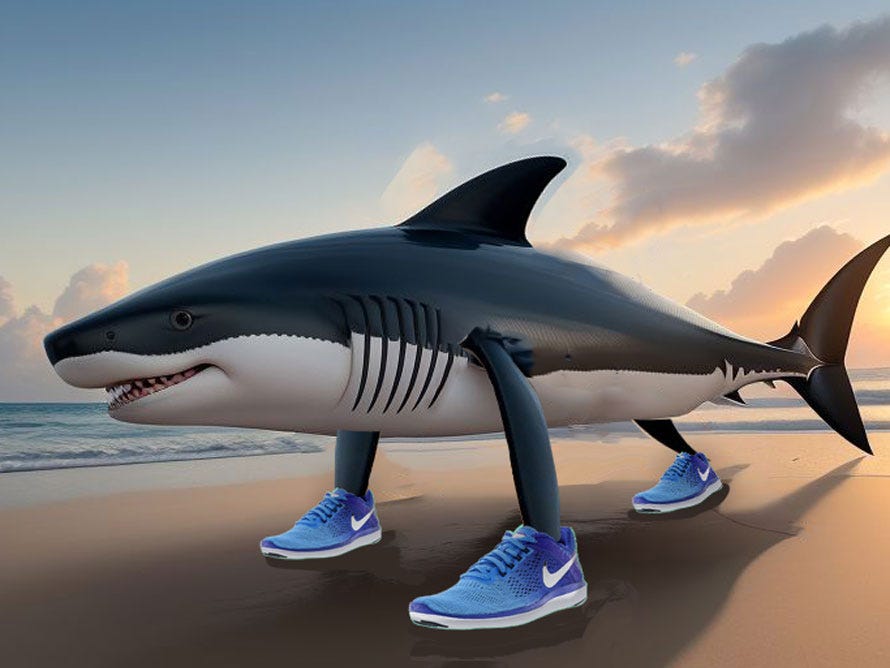
Only a few brands are bold enough to lean into its beautifully unhinged ecosystem—where memes mutate hourly, and absurdity becomes a shared language. Netizens don’t just consume content; they speak in layered references, warped aesthetics, and inside jokes. The brands that resonate don’t sanitize this—they participate in it.
But the risk is real. The second it feels forced, the illusion breaks. What was native becomes an ad, and suddenly the brand isn’t in on the joke—it is the joke.
So it’s not about whether brands should tap into the chaos, but whether they can do it without losing themselves.
“Brain rot” works because it’s fast, referential, and rewards attention. It turns information into something instantly digestible yet culturally rich. It’s built for the chronically online, but intriguing enough to pull others in.
This isn’t for every brand. It only works for those who are community-first, willing to participate, and comfortable trading control for relevance.
2. SELECTIVE RAGE MEANS THE DEATH OF ART AND ITS PURPOSE
Noe’s Take
Spoilers for The Drama gave people the option to be mad before they could even participate in the abundance of conversations it ignited. This isn’t the first time people have chosen when their rage excused them from being challenged.
Overexposure to news, think pieces, and guerilla content captures focused on the ugly decisions of others (wars, public policies, reality TV relationship spats) has given us a Cheesecake Factory-esque menu of things to be offended by. It’s gotten to the point where art that’s meant to provoke necessary conversations to then lead to impactful solutions is also up for unconstructive criticism.
Sometimes a movie will have us struggling with the nasty truths of our world. Not only is that okay, but it’s necessary for the preservation of our humanity.
We need to get back to a place where we acknowledge art as an interpretation of current events instead of an active display of what’s wrong with this world before we lose the weight of artistic expression as a whole.
3. WE NEED TO MOVE ON FROM “SAVING” TIME
Reggie’s Take
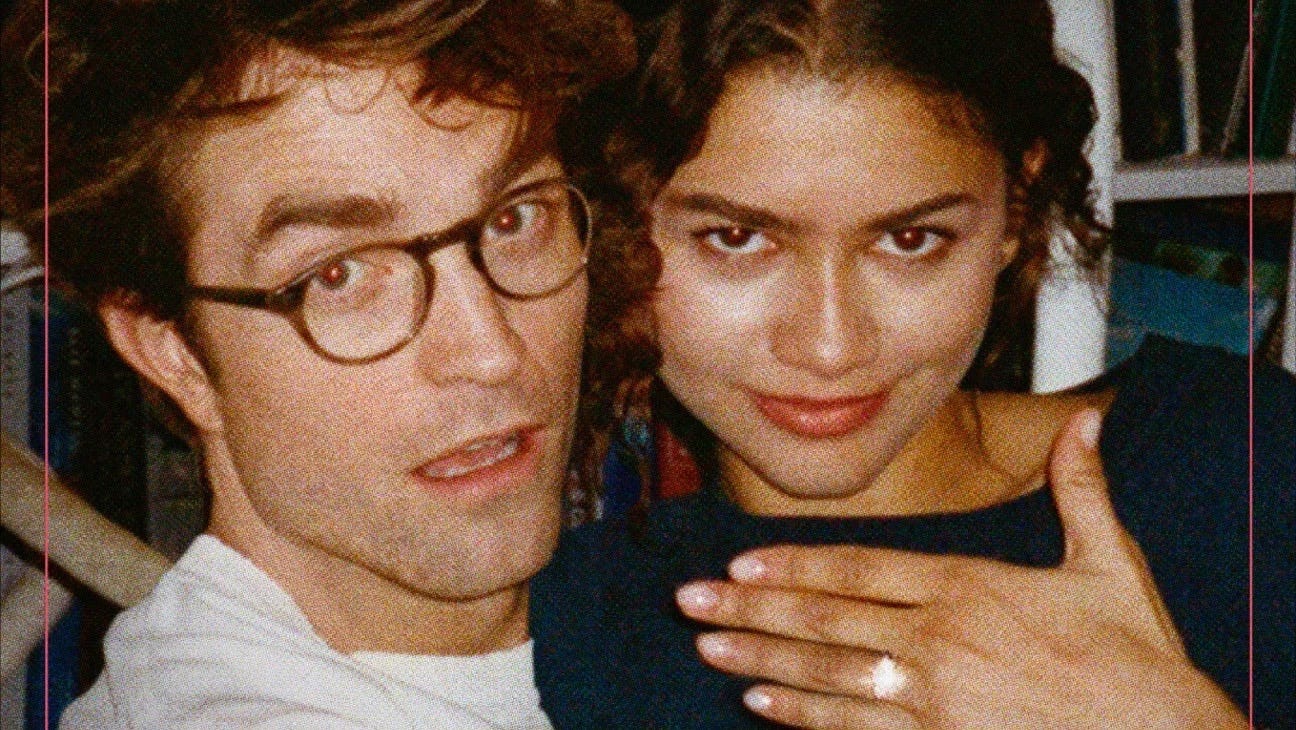
In 1930, John Keynes - yes, the Keynes from your Intro to Macro Economics class - predicted we’d work an average of 15 hours a week by 2030.
In 1965, a U.S Senate Subcommittee concluded that by the year 2000, the average American would only work 14 hours per week and have 7 weeks of vacation a year. Come 2000, the average American had 10-11 days of vacation. Just off by about six weeks.
The long arc of technological innovation has carried a consistent, implied promise: this shiny new thing will ultimately help you “save time.” Washing machines, microwaves, computers, email, smart phones, AI, and dozens more have been sold with convenience and getting time back as the Big Idea. The technology delivered…the time, not so much.
Just since 2004, men work slightly less and women work slightly more. Both are spending more time on childcare and domestic work. Since nearly 20 renditions of the iPhone, social media, and everything that’s come in the last 20+ years, we haven’t even gained a second of leisure time. My hot take? Let’s give it up, as marketers, brands, influencers, - we need to move on from selling people that we can save their time. Whether its the limits of our economy or time serving as our ultimate Thanos, the vision isn’t getting any clearer. New promises can welcome new innovations, such as – curing the US falling in happiness over the last 25 years.
No more using “saving time” to gaslight consumers…and ourselves.
4. WE’VE TURNED ORIGINALITY INTO A PERFORMANCE
Sarah’s Take
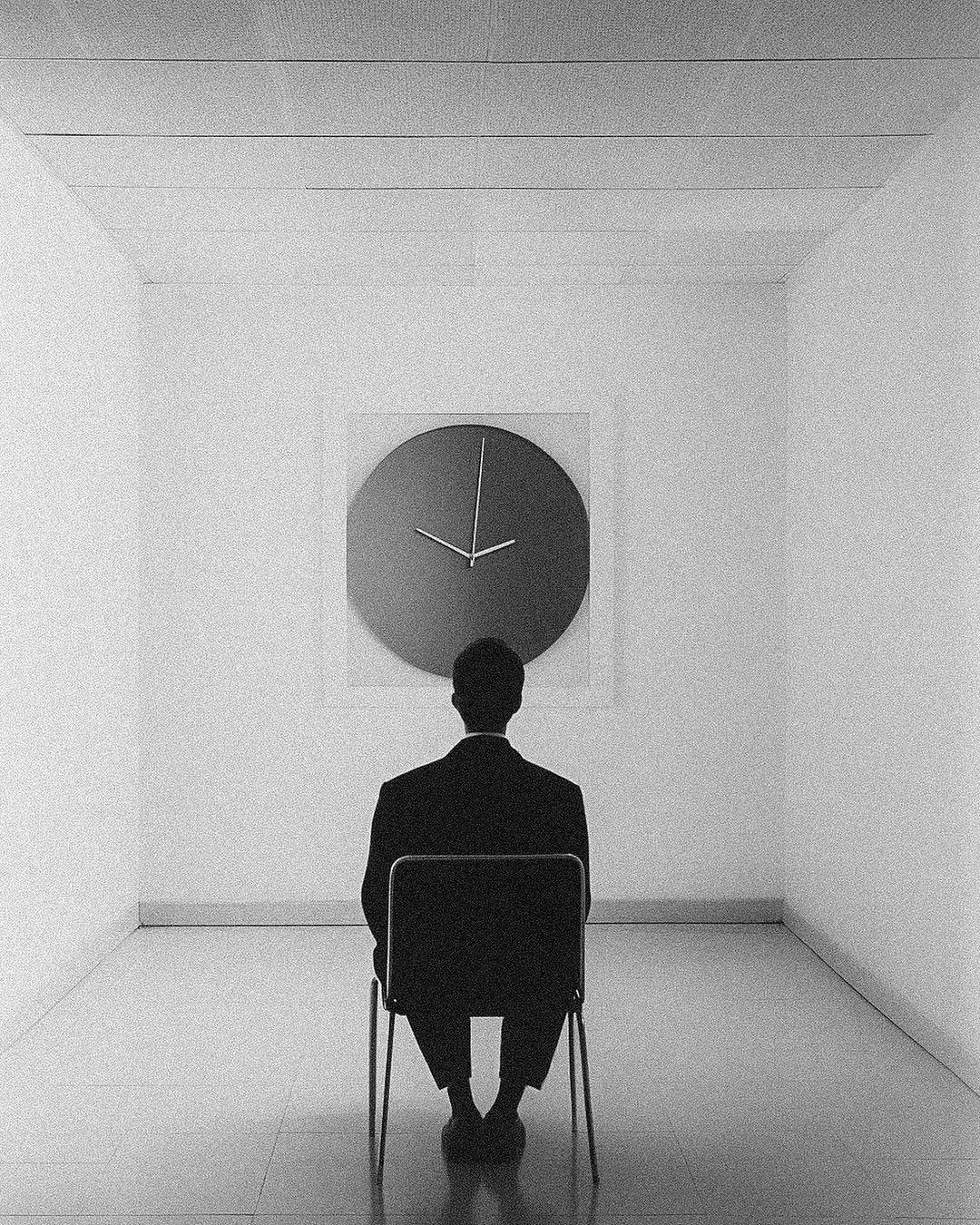
It was the week of April Fool’s Day when I asked my friends about their hot takes last week and we ended up in this half-hour thread about the death of originality. (which apparently resonated because my sister turned it into a Substack post.)
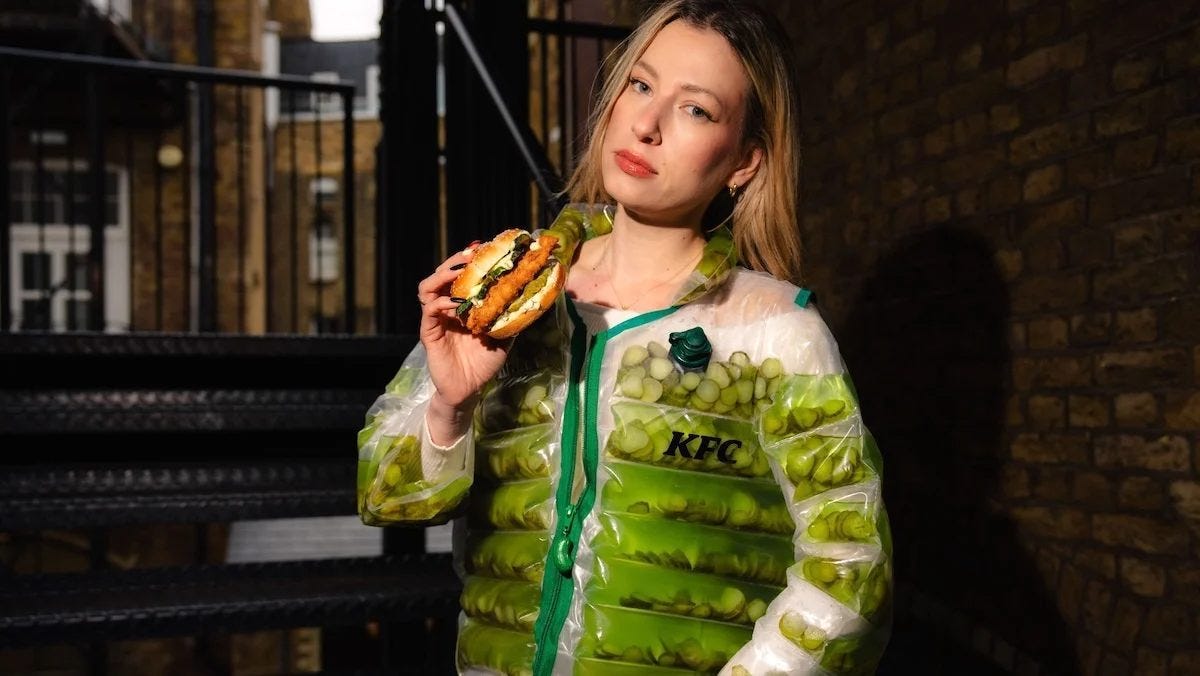
These days, it feels like almost everything being put out into the world is a direct copy of something else. I mean, I think we’re all in agreement that it’s way too early for new Harry Potter cast, and that maybe we’ve seen one too many Gochujang-Earl Grey-Chocolate Chip cookie recipes. Everything feels copy pasted, or like it’s trying really hard not to look like it is. In our scroll-addicted world, “originality” has turned into repetitiveness in a desperate search for engagement.After surviving that whole week of branded April Fools’ jokes (the KFC pickle jacket stands out) think we all collectively felt something (or maybe just the group chat): none of it was made for an actual person. It was made for attention.
The problem isn’t that we’ve run out of ideas, it’s that we’ve swapped “will people love this?” for “will people share this?.” And the most annoying thing is, for the most part, it works.
5. IT’S ABOUT TIME THE “GOATs” FELL OFF THEIR PEDESTALS
Kylah’s Take
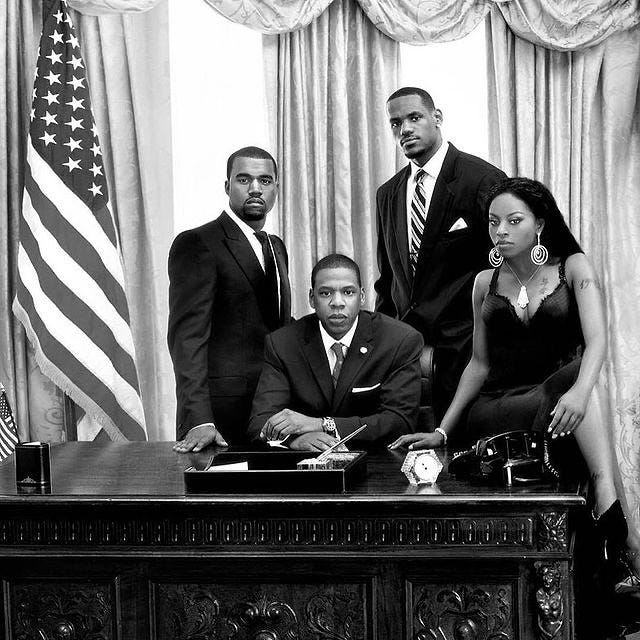
For decades, icons like LeBron, Jay-Z, Ye, Nicki Minaj, the list goes on, were treated like superheroes: invincible, untouchable, infallible.
But recent months have shown a flood of opinions dissecting their interviews, words, and actions. Between cancel culture and the long-overdue reckoning with the ways many celebrity figures choose to align—politically, socially, and otherwise—we, as a society, are collectively waking up.
Conversations around “celebrity” have existed for decades, challenging the notion that fame equates to moral authority. From Malcom X in 1963, to Kendrick Lamar’s “Savior” in 2022, the message has been consistent: Celebrities are not our saviors, and yes, that includes the GOATs.
Pedestalizing them doesn’t make them our moral compass. And despite their greatness, whether musical, athletic, or cultural, they aren’t our civil rights leaders…and that’s okay.